Living in Dubai as an Expat: 12 Essential Facts You Must Know Before Moving
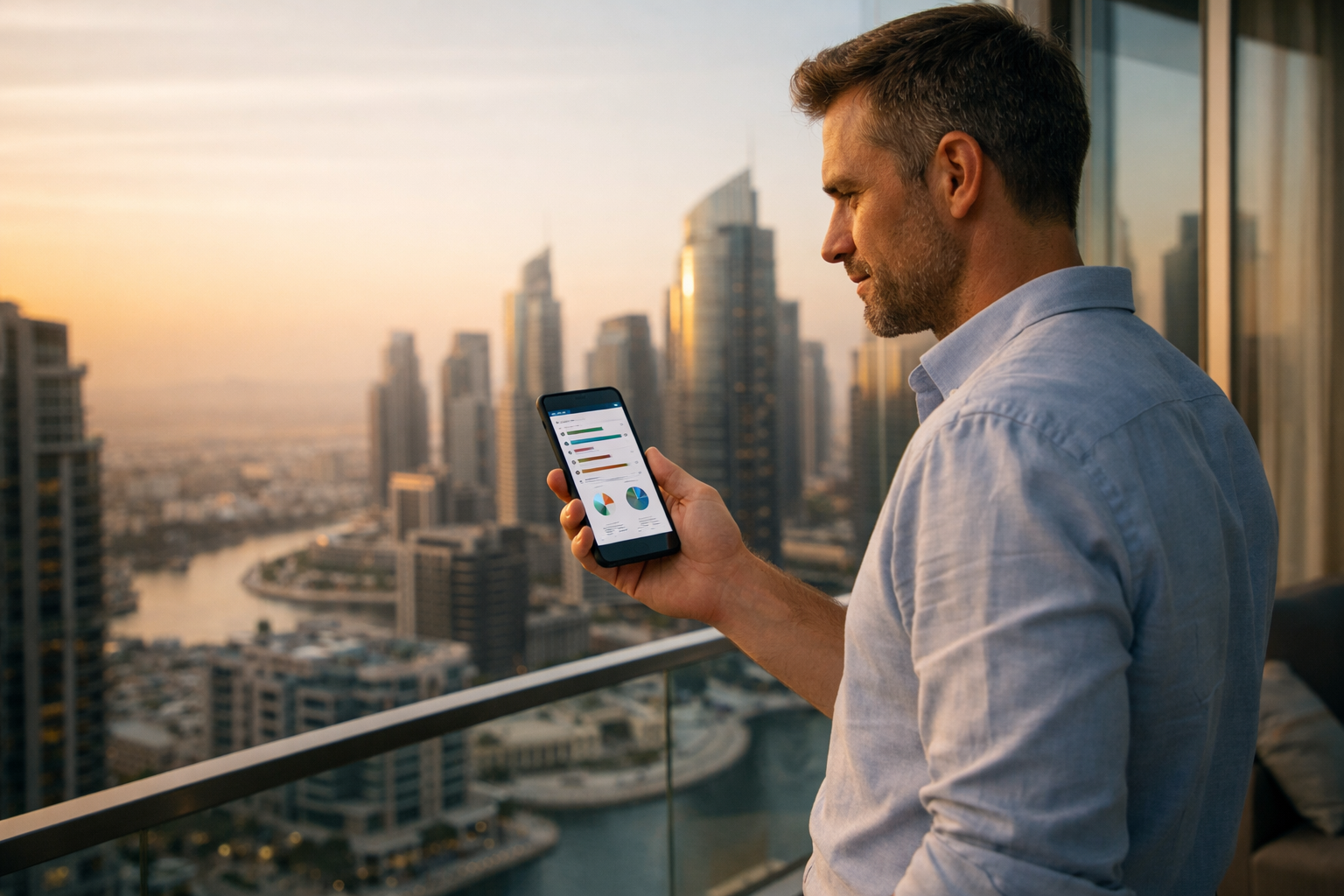
Living in Dubai as an expat: A complete guide is something many professionals search for before making the move. Dubai attracts entrepreneurs, freelancers, remote workers, and corporate professionals from around the world. With tax advantages, modern infrastructure, and global business opportunities, the city offers a unique lifestyle. However, relocation requires preparation.
This guide explains everything you need to know about living in Dubai as an expat, including visas, costs, housing, healthcare, transportation, banking, and daily life.
Why Expats Choose Dubai
Dubai is one of the most international cities in the world. Expats make up around 80–90% of the population. The city is part of the United Arab Emirates and is known for:
- No personal income tax
- High salaries in many industries
- Strong safety standards
- Modern infrastructure
- Global connectivity
Major landmarks like Burj Khalifa and Dubai Marina reflect the city’s rapid growth and ambition.
For many expats, Dubai represents opportunity combined with comfort.
Visa and Residency Requirements
You cannot legally live and work in Dubai without a residence visa. Common visa types include:
- Employment visa (sponsored by employer)
- Investor or business visa
- Freelance permit
- Remote work visa
The process typically includes medical tests, Emirates ID registration, and residency stamping in your passport. Rules may change, so always verify through official government channels before applying.
Residency is linked to employment or business activity. Losing your job can affect your visa status, so planning is important.
Cost of Living in Dubai
Dubai offers luxury, but it is not cheap. Expenses depend heavily on lifestyle and housing choices.
Housing
Rent is usually the biggest cost. Popular expat areas include:
- Downtown Dubai
- Jumeirah Village Circle
- Dubai Marina
A one-bedroom apartment in central areas can cost significantly more than in suburban neighborhoods. Rent is often paid in 1–4 cheques per year.
Utilities and Internet
Electricity, water, and cooling costs can rise during summer months due to high air-conditioning usage.
Groceries and Dining
Dubai has options for every budget. You can find affordable local food or dine in high-end international restaurants. Imported goods tend to be more expensive.
Banking and Financial Setup
Opening a bank account requires:
- Residence visa
- Emirates ID
- Proof of address
- Salary certificate or employment contract
Some banks require a minimum balance. International transfers can involve fees and FX costs, which is important for expats receiving income from abroad.
Many expats prefer digital-first banking solutions for flexibility, especially if they manage multiple currencies.
Healthcare in Dubai
Healthcare standards are high. Health insurance is mandatory and usually provided by employers. Without insurance, medical services can be expensive.
Dubai has modern hospitals and clinics, many staffed by international professionals. Both public and private options are available.
Transportation and Mobility
Public transportation includes metro, buses, and taxis. The Dubai Metro connects major business and residential areas.
However, many expats choose to drive. Car leasing is common, and fuel prices are relatively affordable compared to Europe.
Work Culture and Business Environment
Dubai’s economy is diverse, with strong sectors in:
- Finance
- Real estate
- Tourism
- Technology
- Trade
The business culture values professionalism and punctuality. English is widely spoken in the workplace.
Networking plays a significant role in career growth. Many expats build opportunities through business events and community connections.
Lifestyle and Social Life
Dubai offers:
- Beaches and waterfront living
- Luxury shopping malls
- International schools
- Global cuisine
- Active nightlife
The city is safe and clean. However, cultural awareness is important. The UAE has local traditions and laws that residents must respect.
Education and Family Life
For families, Dubai provides many international schools following British, American, IB, and other curricula. Tuition fees can be high, so this should be part of financial planning.
Family-friendly communities offer parks, schools, and recreational facilities.
Taxes and Financial Planning
One of the biggest attractions of living in Dubai as an expat is the absence of personal income tax. However:
- VAT (Value Added Tax) of 5% applies to most goods and services.
- Home-country tax obligations may still apply depending on citizenship.
It’s wise to consult a tax advisor if you maintain international income streams.
Pros and Cons of Living in Dubai
Advantages
- Tax-free income
- Safety and stability
- High-quality infrastructure
- International environment
Challenges
- High rent
- Hot climate in summer
- Visa dependence on employment
- Cost of schooling
Frequently Asked Questions
Is Dubai good for expats?
Yes. Dubai is one of the most expat-friendly cities globally, with strong infrastructure and career opportunities.
Is Dubai expensive to live in?
It can be, especially housing. Lifestyle choices greatly affect monthly expenses.
Can expats buy property in Dubai?
Yes, in designated freehold areas.
Is healthcare free in Dubai?
No. Health insurance is mandatory and typically employer-provided.
Do expats pay income tax in Dubai?
No personal income tax applies in the UAE, but foreign tax rules may still affect you.
Is it easy to open a bank account in Dubai?
It is straightforward once you have a residence visa and Emirates ID.
Conclusion
Moving to Dubai usually means managing money across countries, currencies, and everyday expenses at the same time. With Keytom, expats can keep fiat and crypto in one account, open multi-currency balances, make transfers more easily, and use virtual cards for daily spending anywhere Visa is accepted.
See how Keytom can make settling into life abroad feel simpler from day one.

Related articles
Return to blog